
Sunrise Cambodia
When we first started talking to Sunrise Cambodia, one of the first stories they told us was about the landmines, and how the land the centre now sits on had to be cleared of them before anything could be built.
That was 1993, and Geraldine Cox was fifty years old. A fellow South Australian, she set her mind on helping a group of children that have been displaced by many different reasons.. What she could give was food, a safe place to sleep, a chance at school and the kind of care a mother gives. The community came in behind her, donors followed from Australia and beyond, and the Royal Government of Cambodia gave them the ground in Kandal Province.
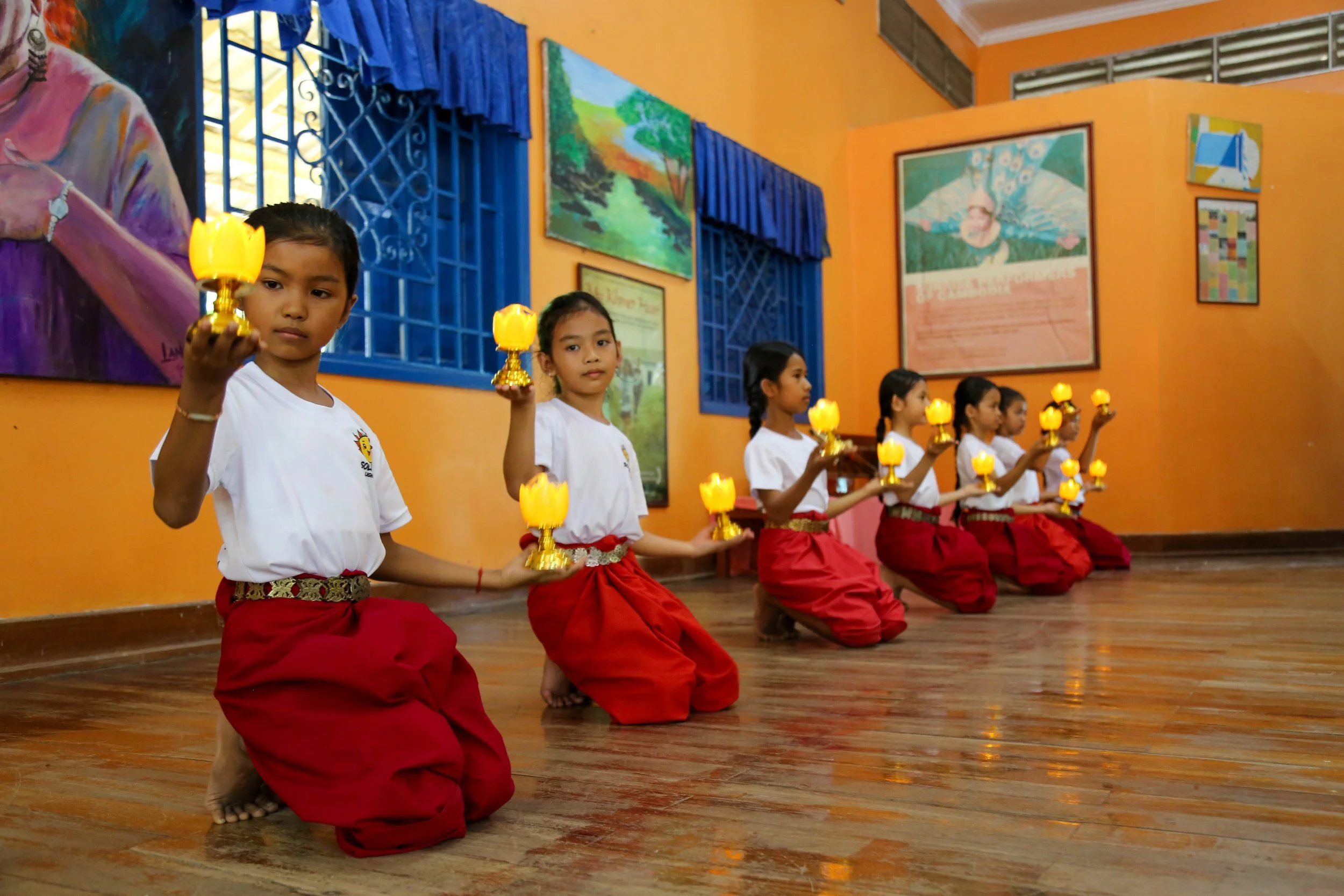
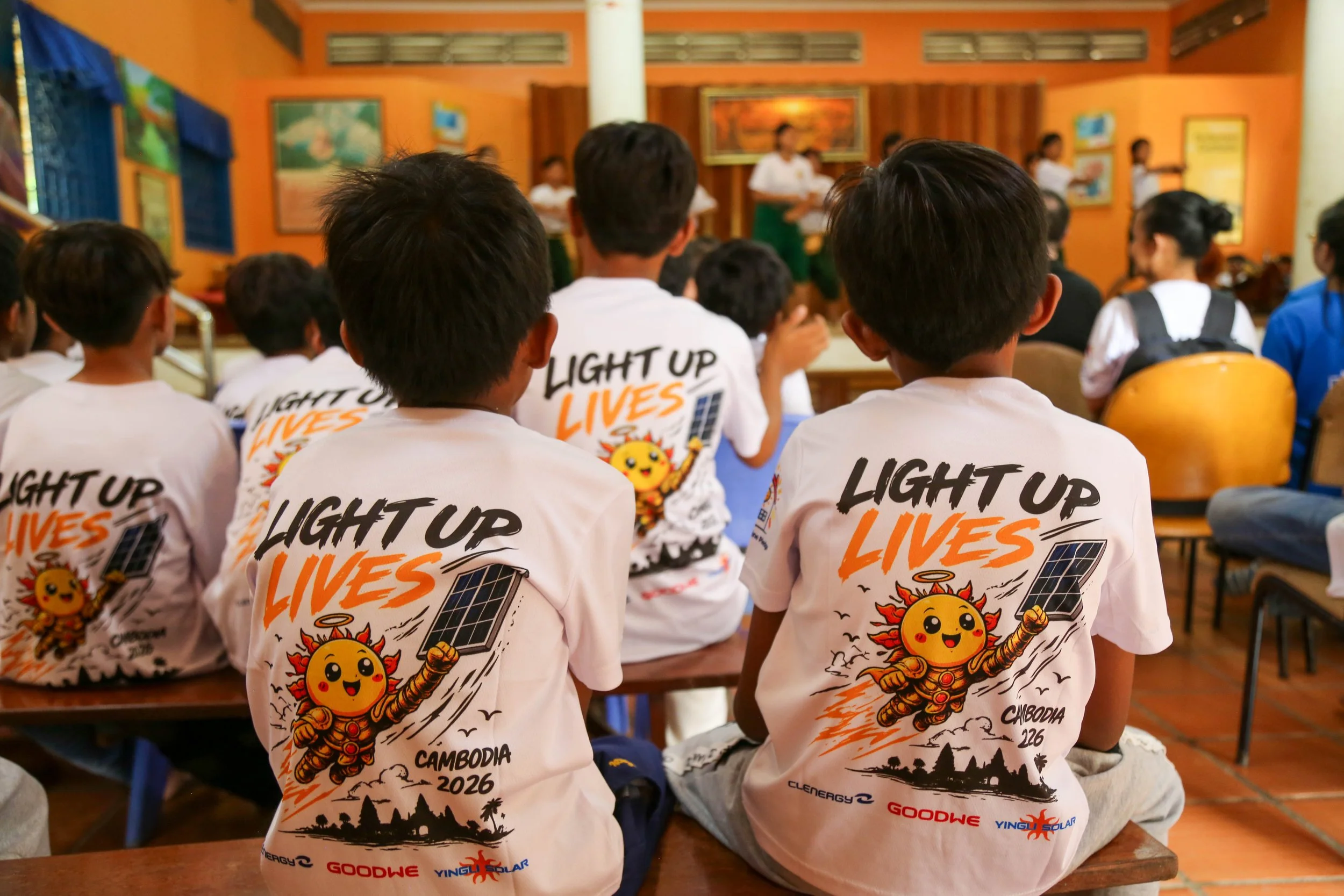
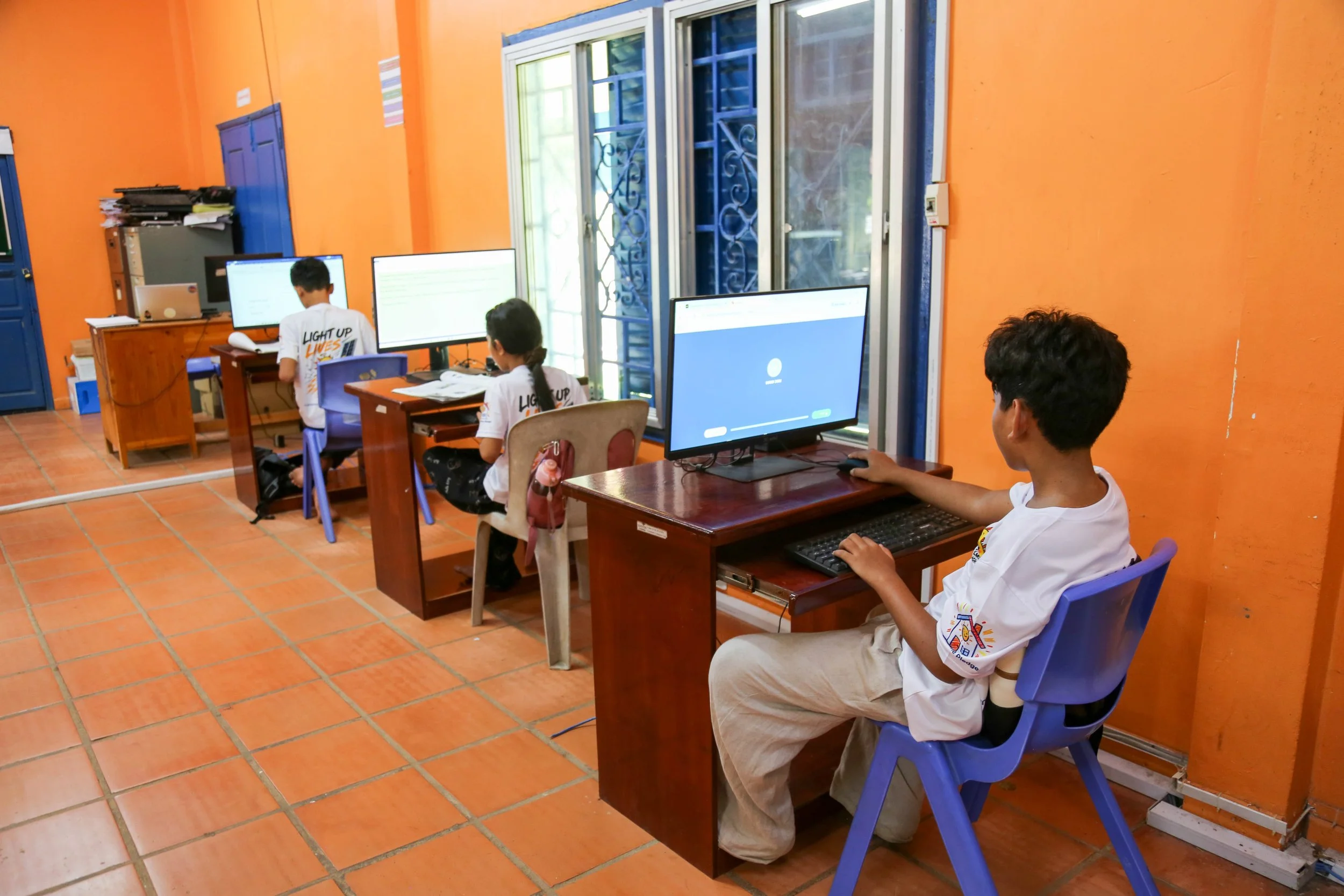
Fast forward thirty-three years and the place has spread right out. Separate buildings for separate things, a lot of green between them, all of it clearly cared for. There are dormintories the children sleep in, a kitchen and dining hall where everyone lands at lunchtime, and rooms for English, Khmer, maths, computers, art, traditional Khmer music and dance. And a boxing ring, roped and raised, with heavy bags along the wall.
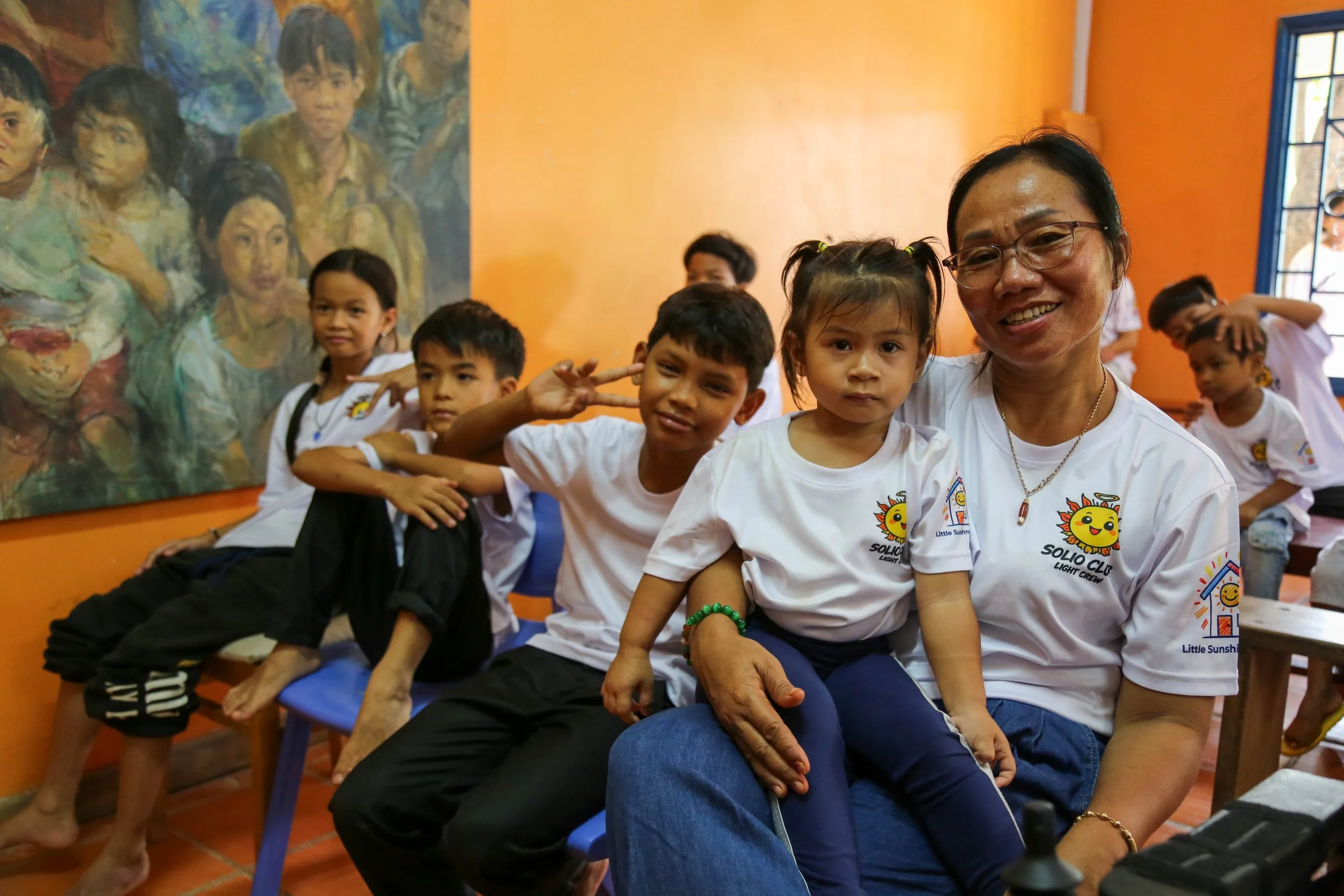
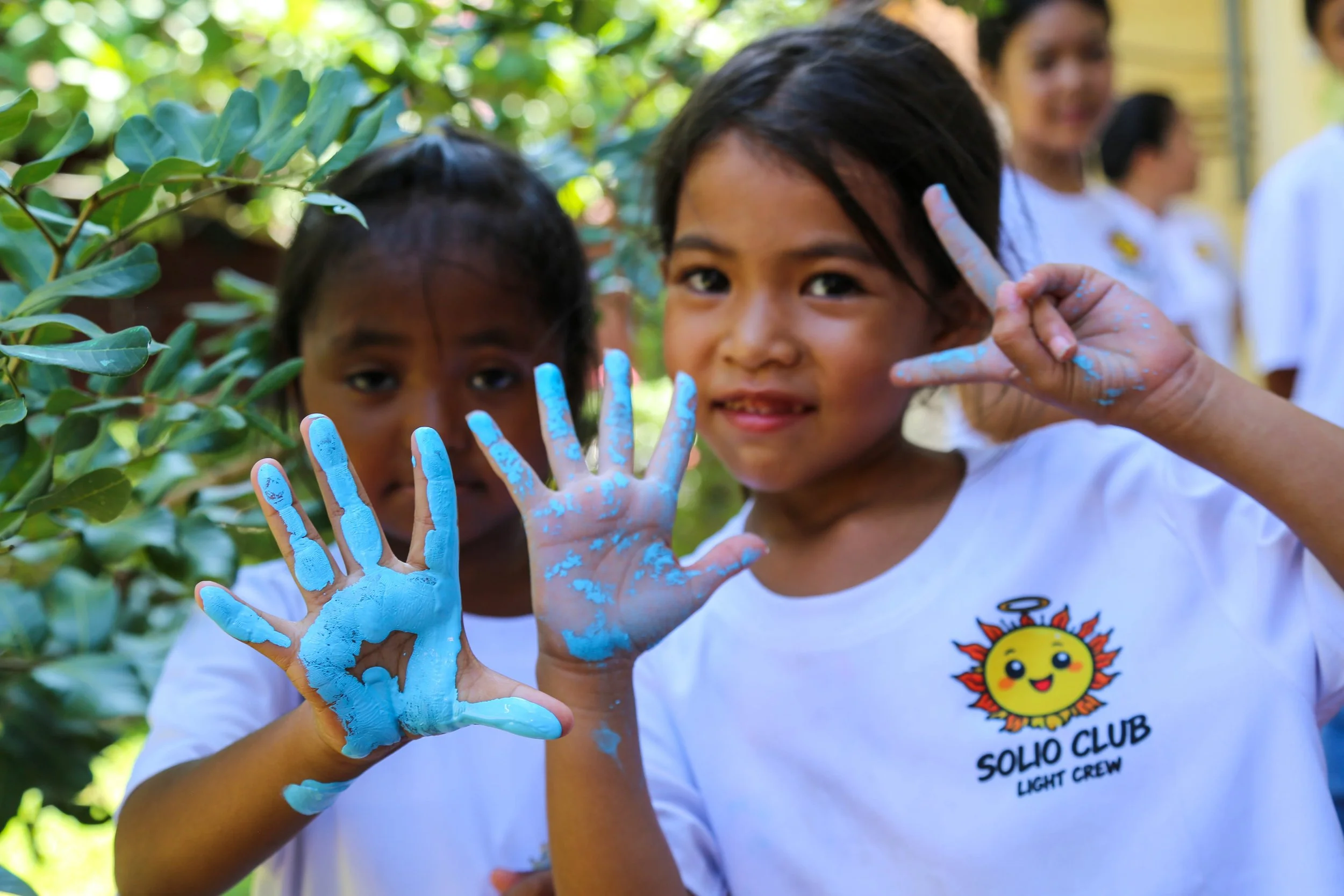
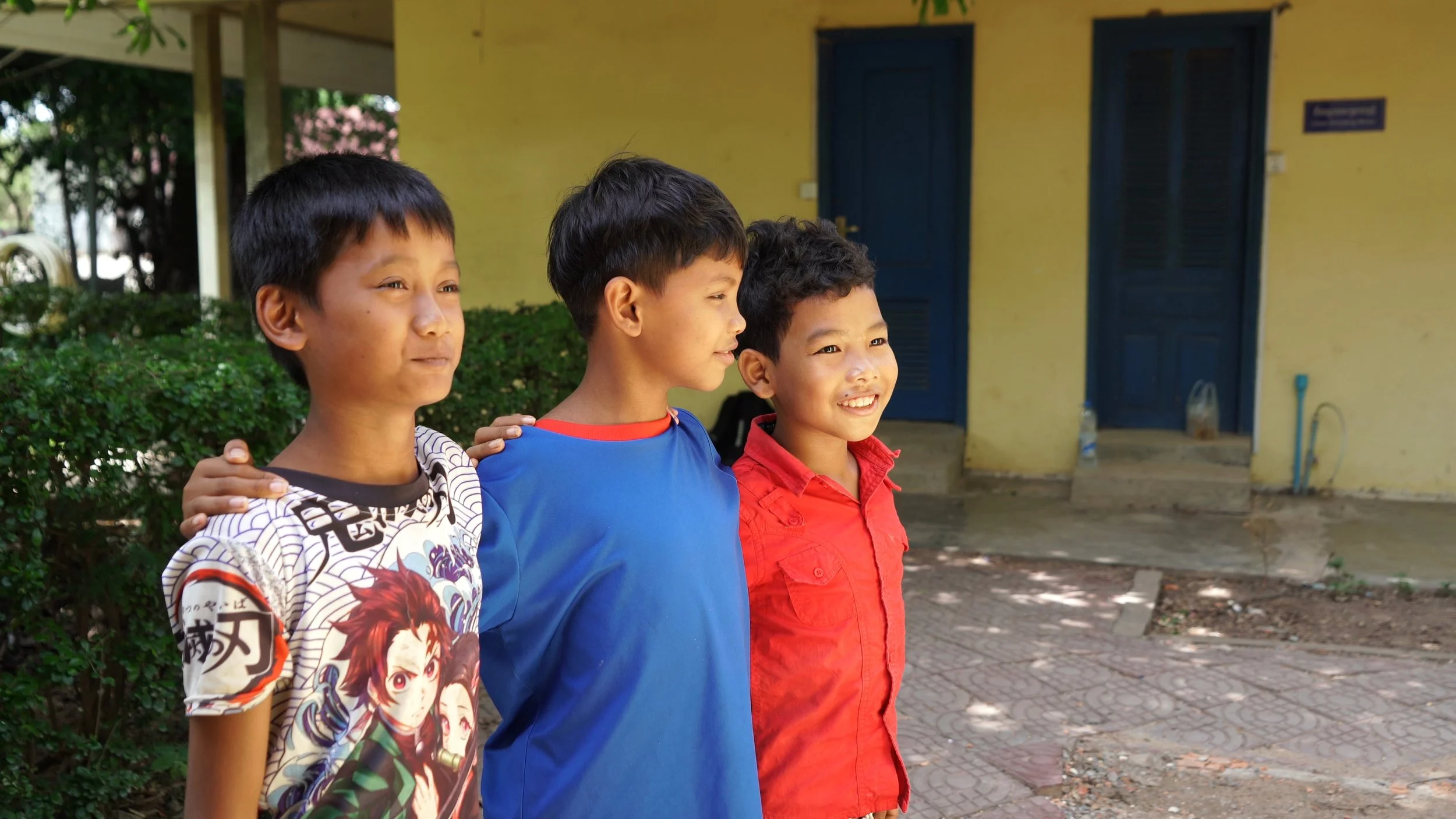
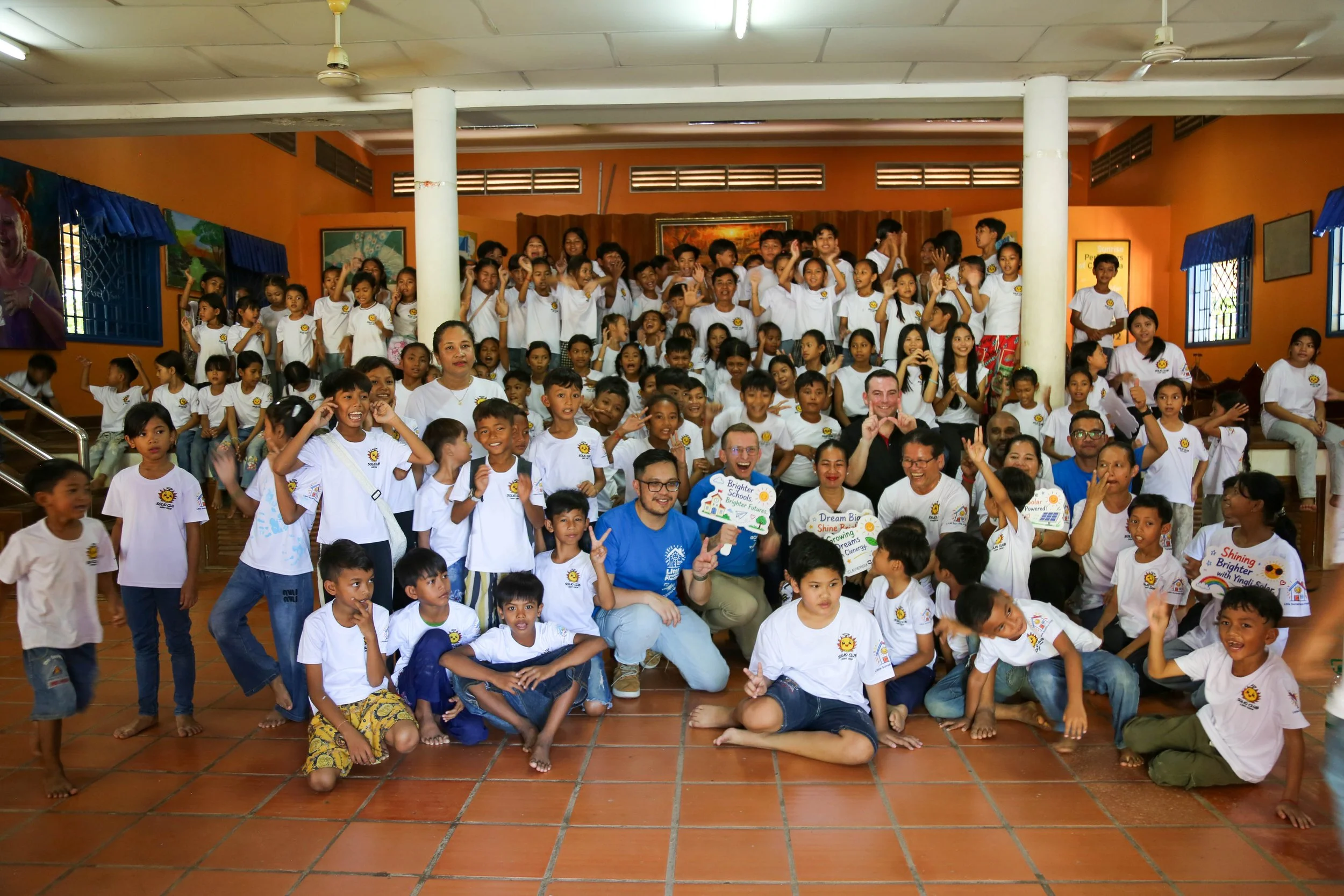
Sixty-five children live there, and more than three hundred come in from the surrounding community for lessons. Sunrise would rather a child stayed with their family wherever that is safe, and they work that through with government social workers first. But they are known well enough that when a child turns up without parents, Sunrise gets the call, and they take that child on knowing the commitment runs until adulthood.
And it comes back to them. Kids who grew up at Sunrise have gone on into professional careers and some have come back to work for the place that raised them. Among them are artists, award-winning athletes, and a professional tennis player who turns up on weekends to teach tennis.
Which brings us to the electricity bill, and the part we keep thinking about. It runs to more than $1,500 US dollars a month, big enough that when people offered them donated equipment, air conditioning included, they said no. Not because they didn't want it. Because a free air conditioner is not free once you have to run it, and a place that commits to a child until they are grown does not take on a cost it cannot carry.
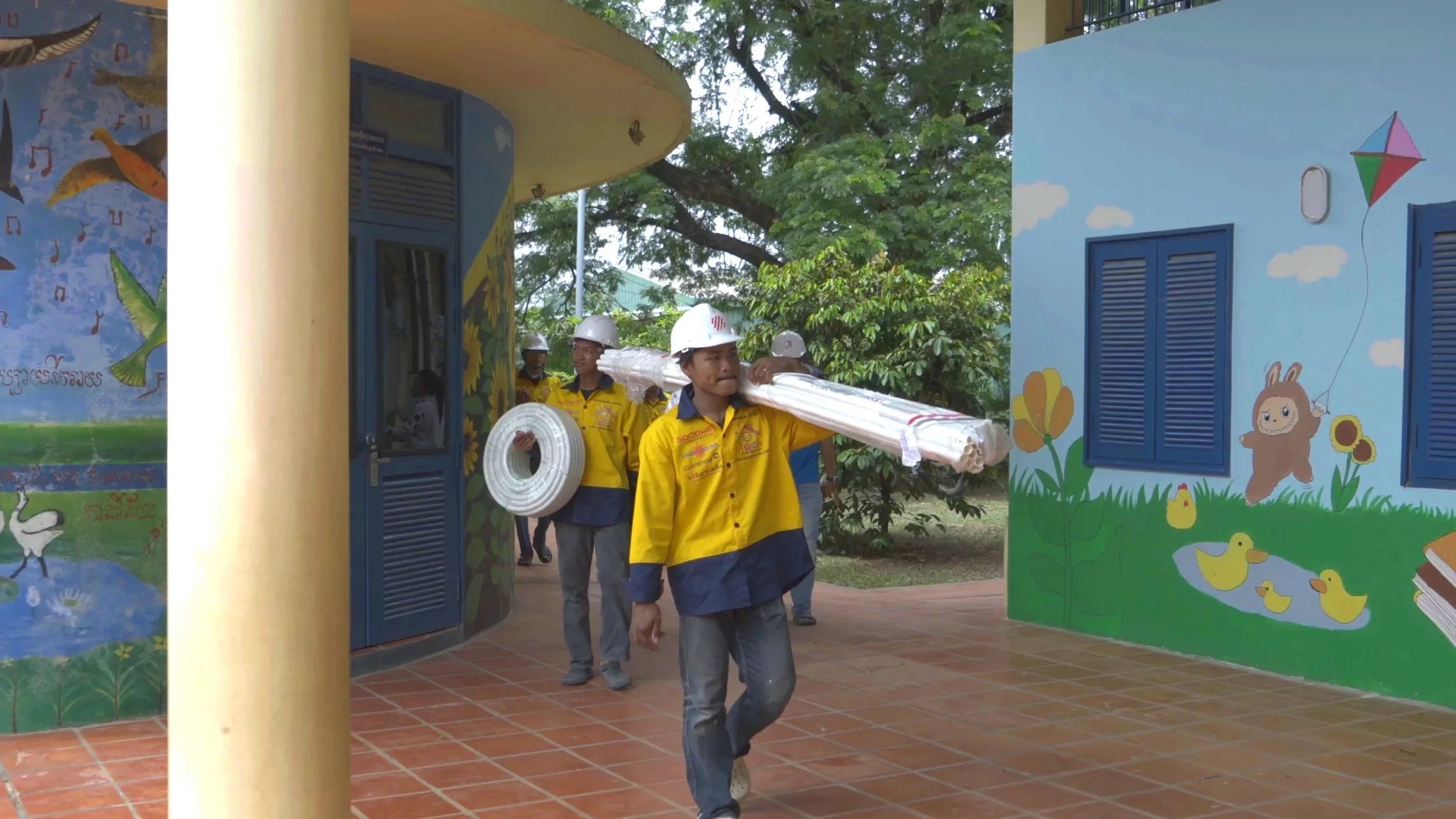
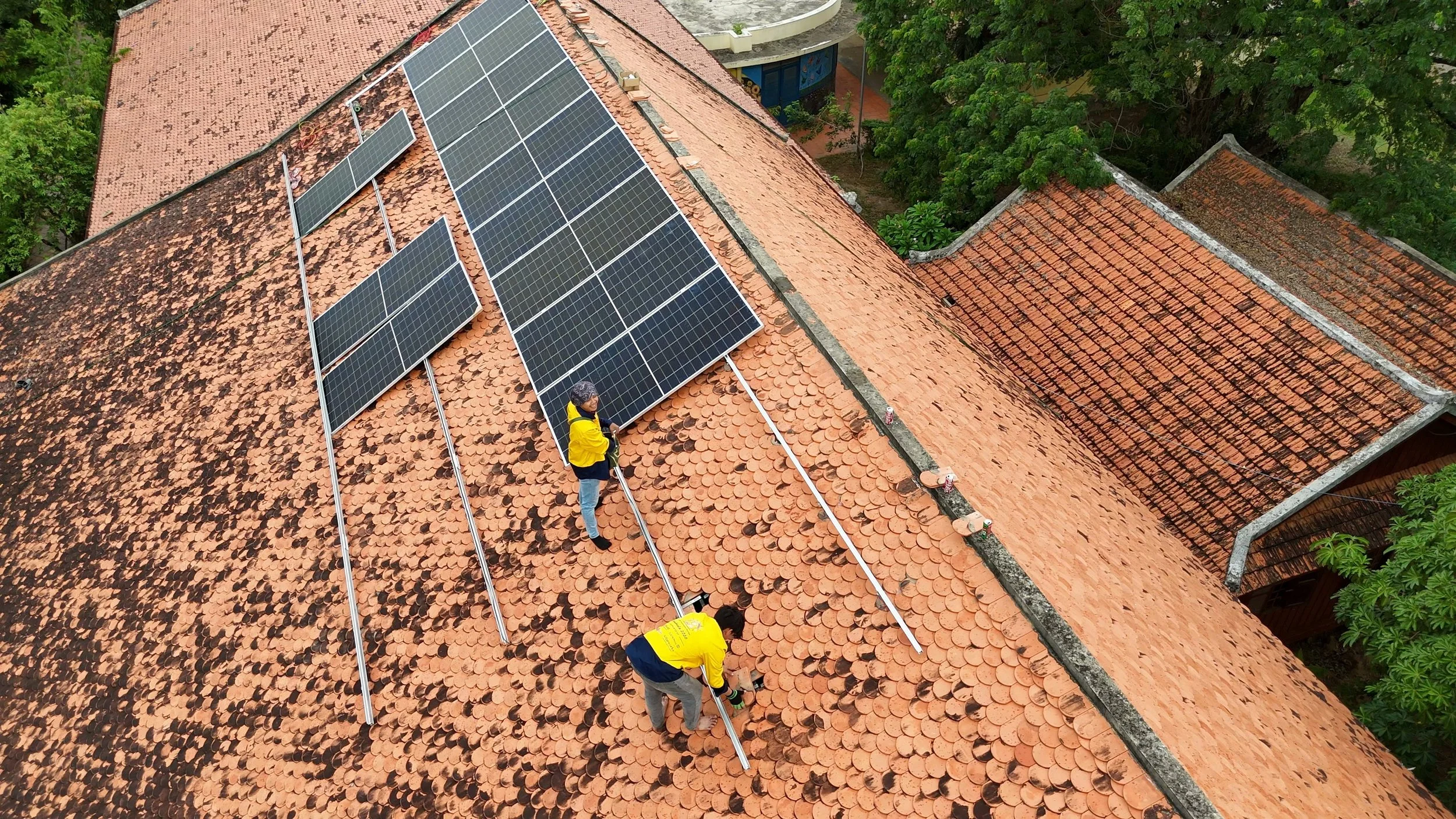
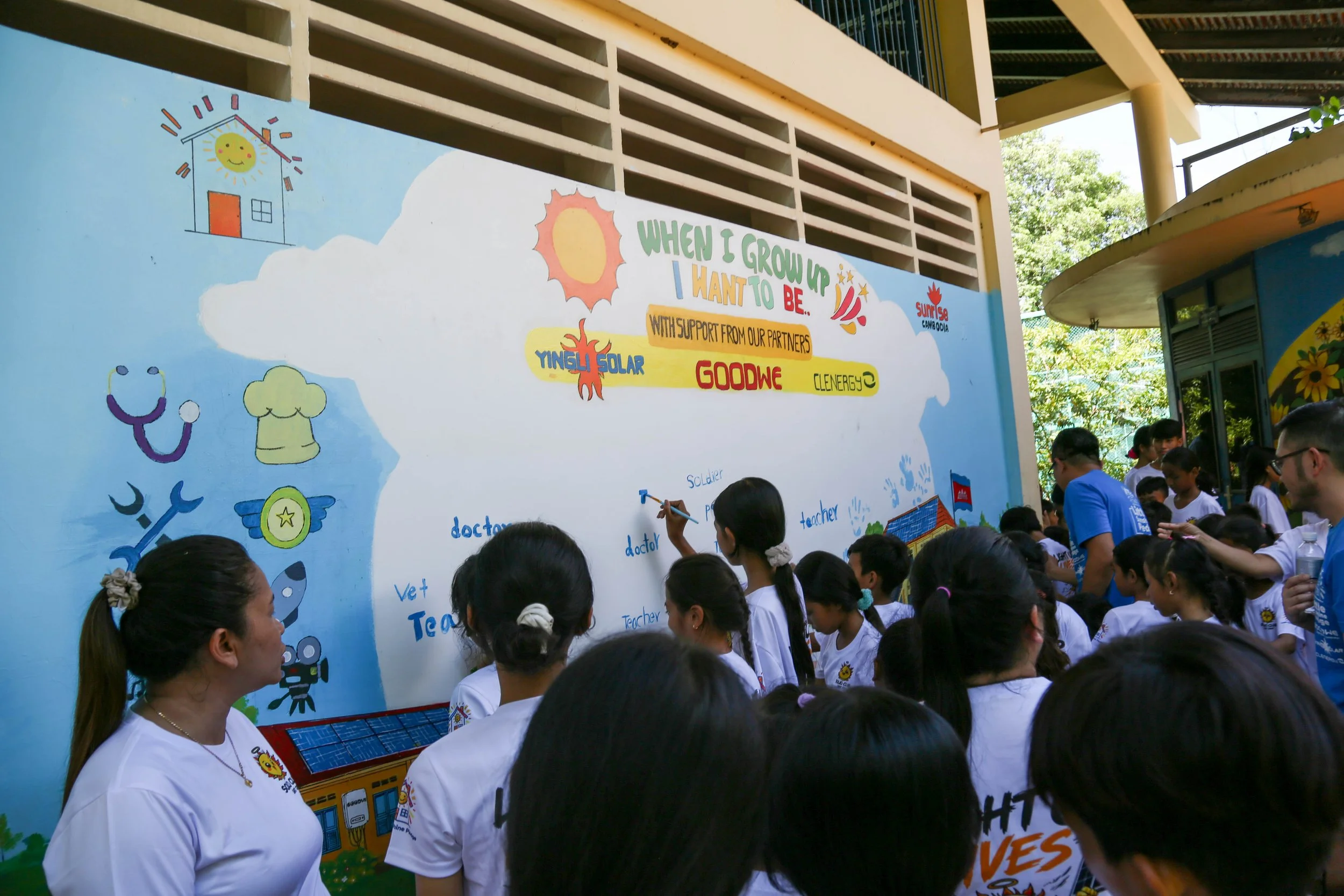
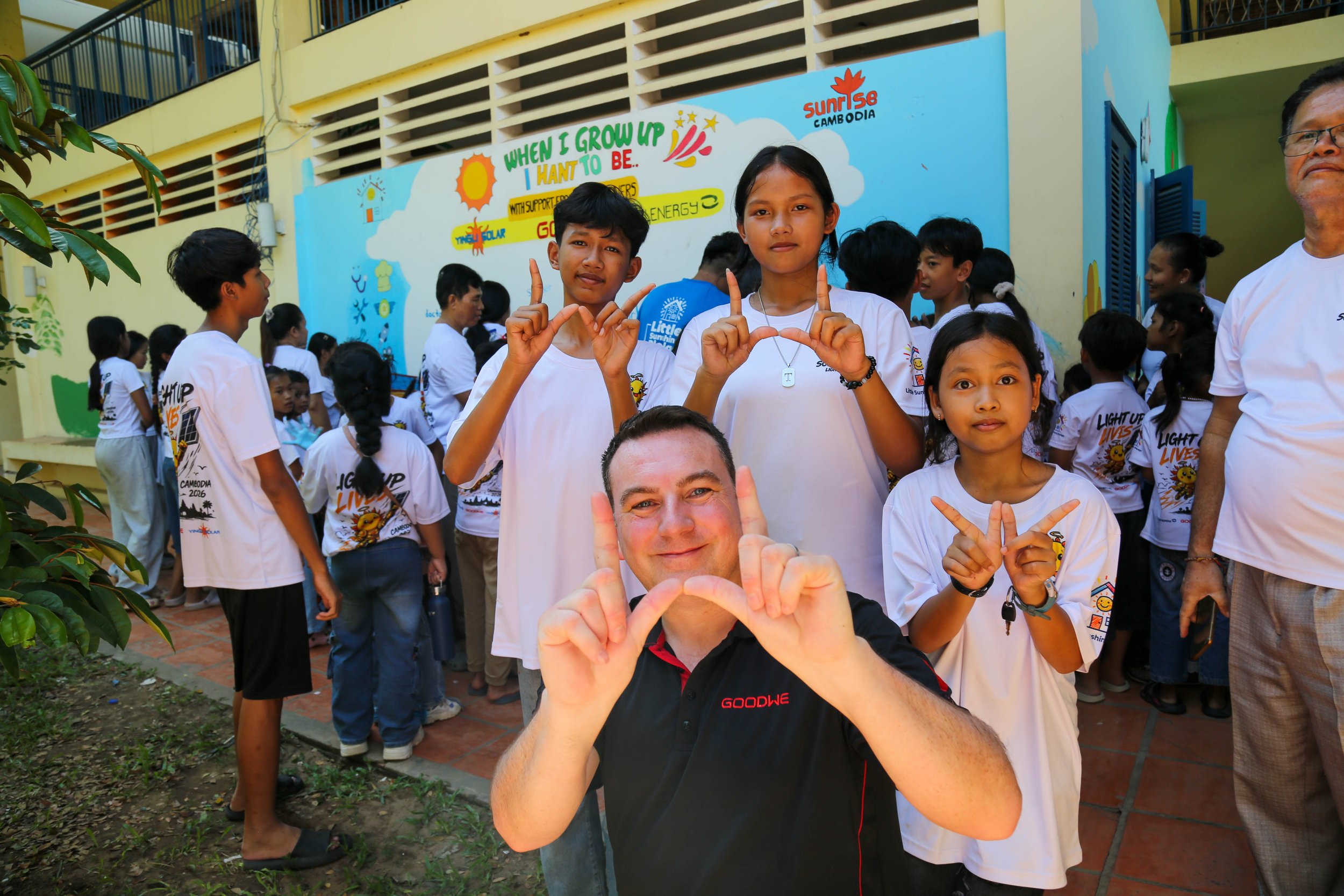
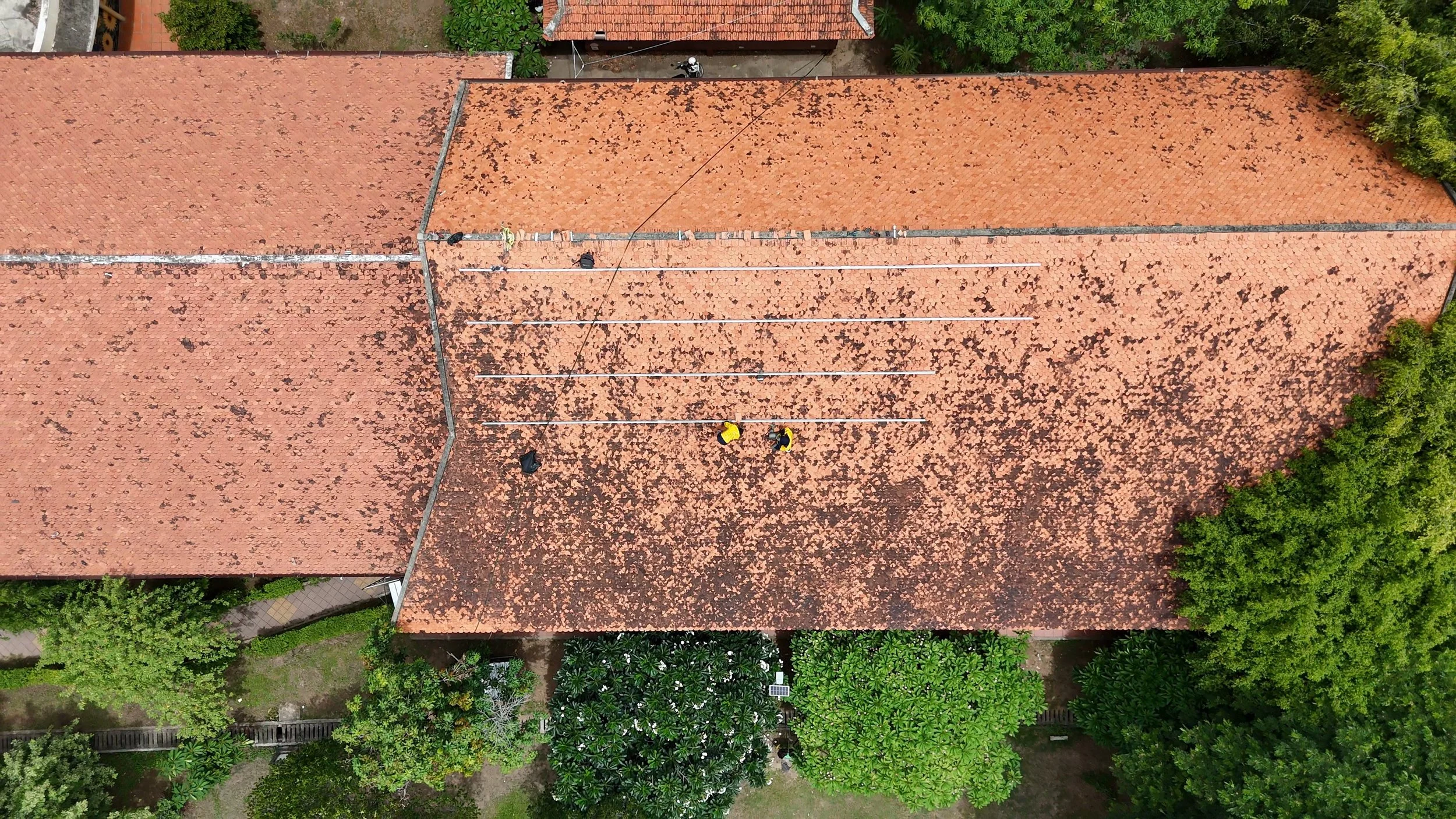
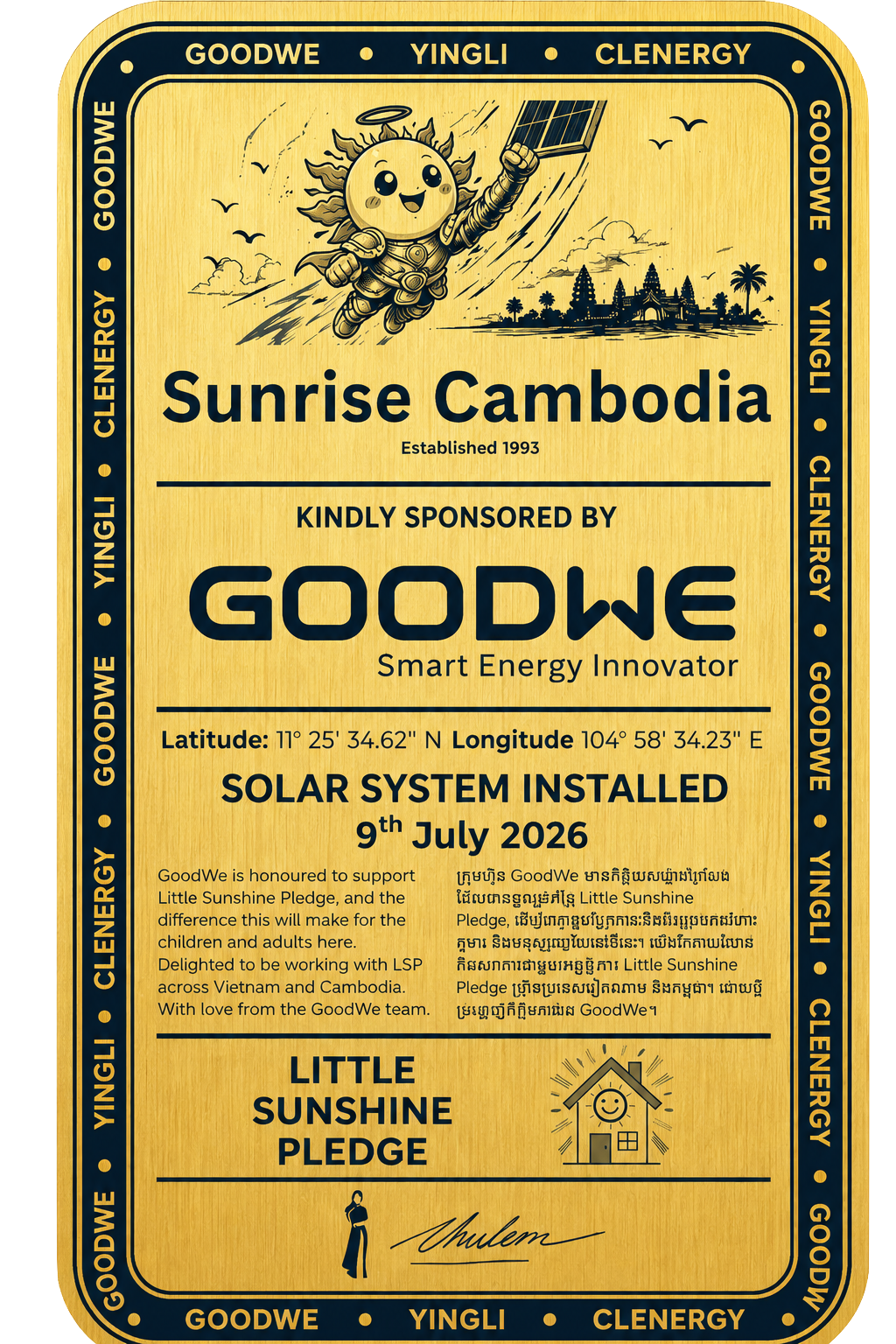
In July 2026, as part of our program, we put 23 panels on their roof and a custom inverter manufactured by GoodWe, the largest system we have built. It is expected to cut the centre's daytime electricity bill by 30 to 35 percent, and the savings are earmarked for lighting, cameras and electric cooking equipment. And the air conditioning.
Supported By:
GoodWe
Installed
09/07/2026
System Size
13.2kW System
System
Donated By
GoodWe
"Access to reliable electricity can transform lives. We're proud to support Little Sunshine Pledge because this initiative demonstrates that renewable energy can do far more than reduce electricity bills. It can help create safer, healthier environments where children have the opportunity to learn, grow, and build brighter futures. We encourage more organisations across our industry to get involved and make a lasting difference."
- Dean Williamson, GoodWe Australia and New Zealand Country manager