
What Happens When an Orphanage Gets Solar Power
Picture an orphanage in rural Vietnam. Forty children live there, cared for by a small team of dedicated staff. The building is modest but clean. The children are fed, clothed, and loved.
But the electricity bills tell a different story.
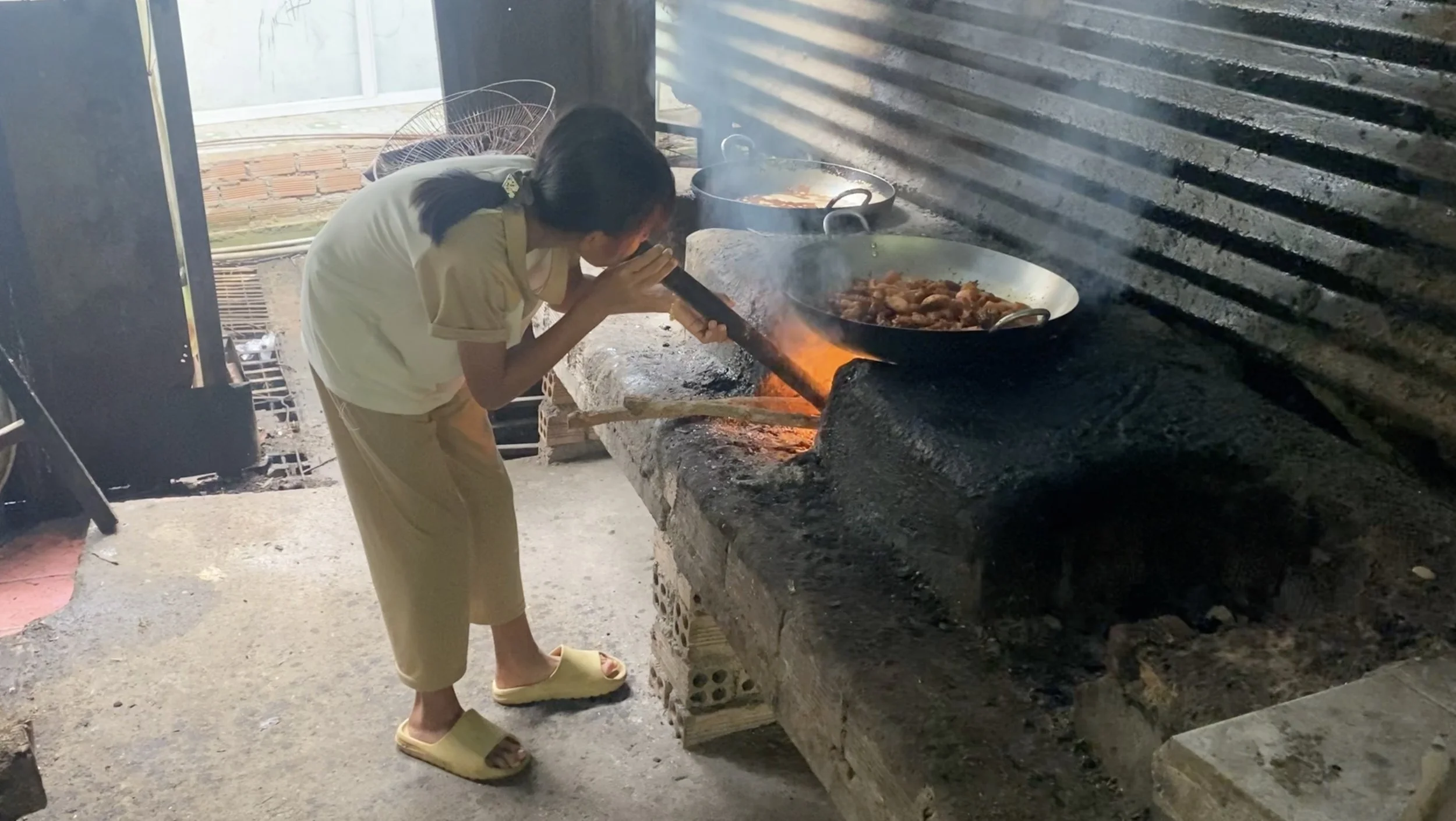
The grid connection is unreliable. Power cuts are frequent, sometimes lasting hours. When the grid is working, the bills consume a significant portion of the facility’s budget — money that could go to food, school supplies, or medical care. In some cases, facilities have made the difficult choice to forgo equipment altogether rather than take on higher electricity costs. At certain orphanages, the kitchen still relies on wood-fired stoves that need to be stoked every day, because running electric appliances feels like a luxury they cannot afford.
Air conditioning and fans are out of the question. In the tropical heat, classrooms and dormitories become stifling.
This is the reality for many orphanages and schools across Vietnam. And this is what solar energy changes.
The Moment the Power Comes On
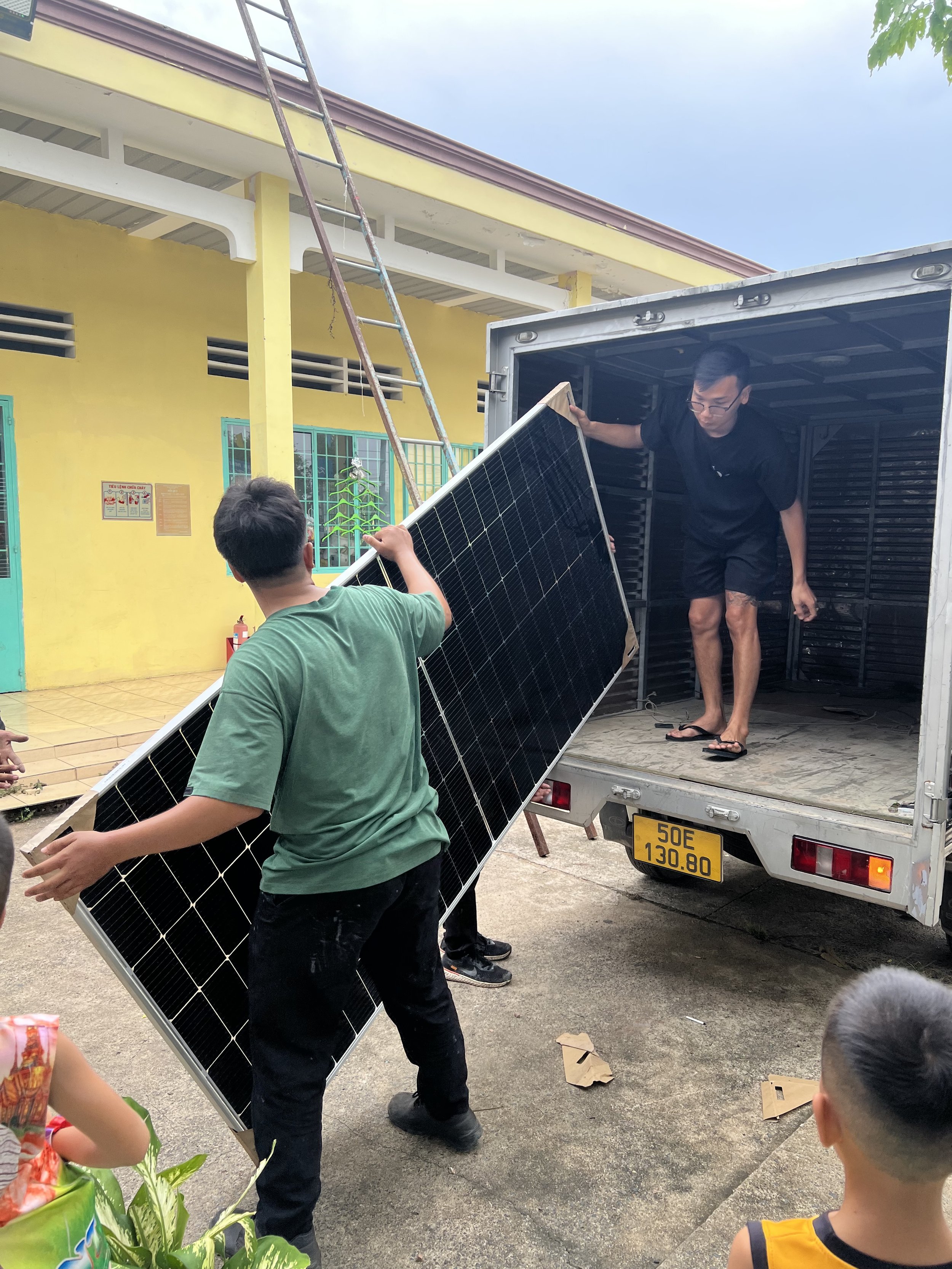
When a solar system is installed at an orphanage, the impact is immediate. It is not a gradual improvement — it is a transformation.
On the first day, the children notice. The lights are brighter. The fans start running and the rooms cool down. The staff notice too — the inverter display shows energy flowing from the panels on the roof, and for the first time, the electricity meter is barely moving.
For facilities that have lived with crippling electricity costs for years, this moment is profound. It is not just about electricity. It is about what electricity makes possible.
What Changes in the First Week
Daytime Energy Independence
With solar panels generating power throughout the day, the busiest hours of the facility are now covered by free, clean electricity. Fans run in classrooms during lessons. Refrigerators hum in the kitchen. Lights stay on in study rooms. The facility no longer has to ration power during the hours when it is needed most.
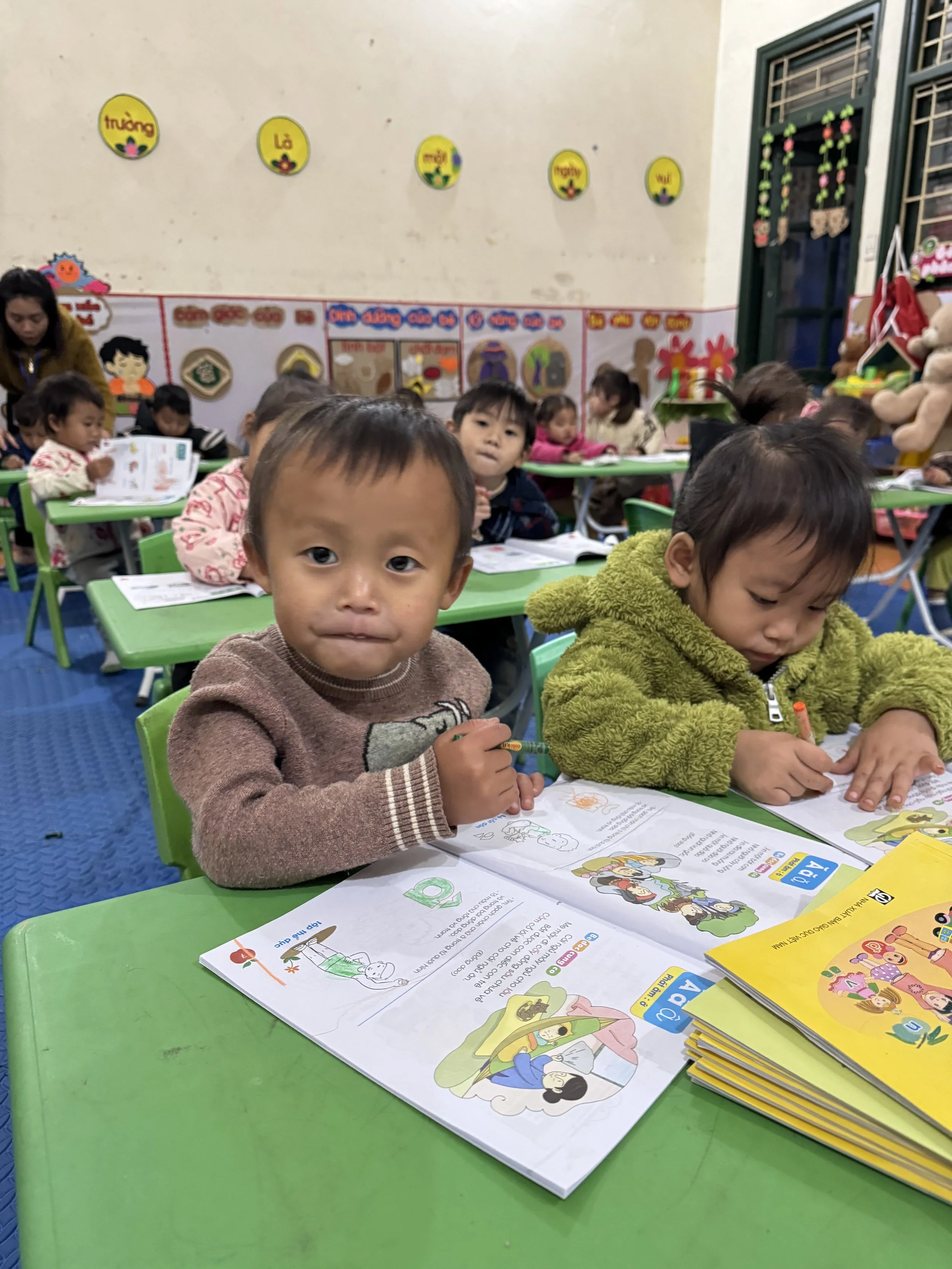
And the savings from daytime solar generation add up fast. With electricity bills dramatically reduced, the facility can afford to keep the lights on in the evening too — paying for nighttime grid power with the money saved during the day. Children who are preparing for school exams can study after dinner. Younger children can be read to at bedtime. It sounds simple, but for many of these children, it is the difference between falling behind and keeping up.
Comfortable Living Spaces
Vietnam’s climate is hot and humid for much of the year. Indoor temperatures in unventilated buildings can exceed 35 degrees Celsius. For children sleeping in shared dormitories, the heat makes rest difficult and illness more likely.
Solar-powered fans and ventilation change this. Sleeping and living areas become comfortable. Children sleep better, concentrate better, and get sick less often.
Food That Lasts
Without reliable refrigeration, perishable food must be consumed quickly or discarded. This limits the variety and nutritional value of meals, and creates waste.
With solar power running refrigerators consistently during the day, kitchens can store fresh vegetables, dairy, and protein safely. Meal planning improves. Nutrition improves. Waste decreases.
What Changes in the First Year
The immediate benefits of solar power are visible within days. But the deeper impact unfolds over months.
Financial Relief
Electricity bills at orphanages and schools in Vietnam can consume a disproportionate share of their operating budgets. Every dollar spent on electricity is a dollar not spent on children.
A 5kW solar system in Vietnam generates around 18 kWh of clean energy per day — over 6,500 kWh per year. Based on local electricity rates, that translates to annual savings of approximately $500 USD or more, depending on the facility’s usage and local tariffs. That might not sound like a fortune, but for an orphanage operating on a tight budget, it is transformative. That money gets redirected to where it matters most:
School uniforms and supplies
Medical check-ups and medication
Nutritious food
Building maintenance and improvements
Educational programs and activities
At Tue Minh Orphanage, the solar installation has reduced power bills by over 65%. Those savings are being used to buy more food and send more kids to school.
Environmental Education
Something unexpected happens when solar panels go up on an orphanage roof: the children become curious about how they work.
Staff at several of our project sites have told us that the solar installation sparked conversations about renewable energy, climate change, and the environment. Some facilities have incorporated solar energy into their classroom lessons, using the panels on their own roof as a real-world teaching tool.
We are building on this momentum. During every installation, our team runs informal education sessions with the children about how solar works. And with GoodWe’s support, we are rolling out a localised version of their EcoSmart Kids program — teaching children about solar energy and environmental preservation in a way that is engaging and age-appropriate.
For children growing up in care, understanding that clean energy exists — and that people cared enough to give it to them — is a powerful message.
The Ripple Effects
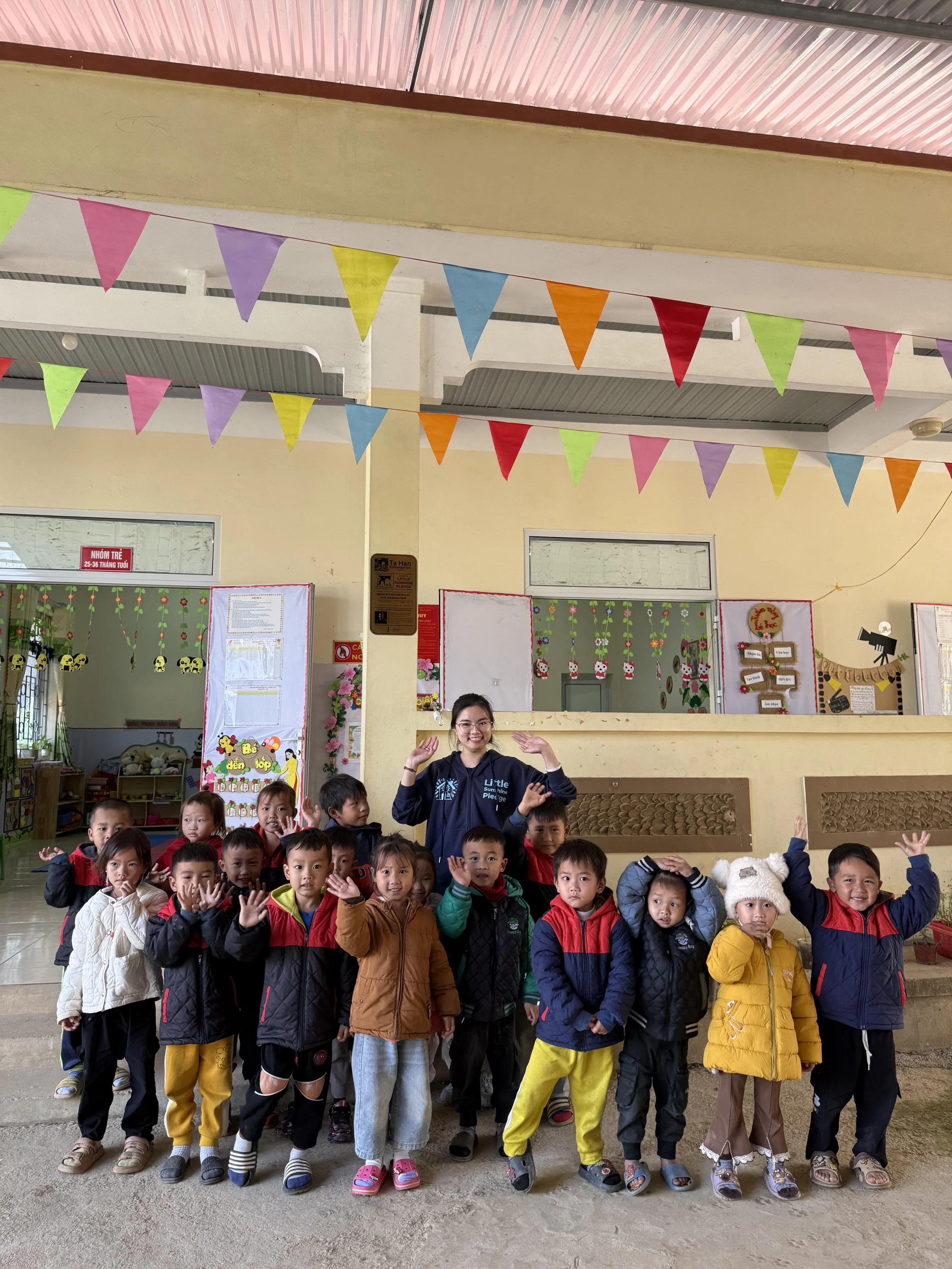
The impact of solar power at an orphanage extends beyond the walls of the building. Children with brighter futures can live more meaningful lives, create more opportunities for themselves, and bring positive impact into their communities.
Community influence — When neighbouring schools and community centres see the solar installation working, they begin to understand the potential of renewable energy. Our projects create awareness and interest in solar power across the wider community.
Staff wellbeing — Carers and staff at orphanages work long hours in difficult conditions. Reliable electricity, comfortable rooms, and better-equipped kitchens improve their working environment and reduce burnout.
Donor confidence — For individuals and businesses considering donating to a solar charity, seeing real, operational installations builds trust. Our Projects page shows every system we have installed, with photos and details of each facility.
The Bigger Picture
According to UNICEF and Vietnamese government data, there are an estimated 22,000 children living in government-run care facilities in Vietnam, with a further 11,000 in privately run institutions. Many of these facilities face the same energy challenges described above. Across Southeast Asia, the need for clean, reliable power in children’s care facilities is enormous.
Little Sunshine Pledge cannot reach all of them. But every system we install proves that the model works. Every orphanage that gains solar power demonstrates that small, targeted investments in renewable energy create outsized impact in the lives of vulnerable children.
Our completed projects span 10 facilities across Vietnam, serving over 400 children. Each one began with a donation, a partnership, or a decision by someone who believed that these children deserved better.
You Can Make This Happen
The next orphanage on our project list is waiting. The children are there. The roof is ready. All that is needed is the funding to make the installation happen.
Donate now— Your tax-deductible donation goes directly to funding solar systems for orphanages and schools in Vietnam and Cambodia.
Sponsor a complete system— Fund an entire solar installation and see the full impact of your generosity.
Explore our projects — See the facilities we have already transformed with solar power.
When the power comes on, everything changes. Not just the room — the future.