
How Your Donation Becomes a Solar System
You make a donation. A few weeks later, children at an orphanage in rural Vietnam have reliable electricity for the first time. But what happens in between?
At Little Sunshine Pledge, we believe that every donor deserves to know exactly where their money goes and what it achieves. So here is the full journey — from the moment you give, to the moment a solar system powers on for the first time.
Step 1: Your Donation Joins a Mission
When you donate to Little Sunshine Pledge, your contribution goes directly into our solar installation fund. We are an ACNC-registered charity based in Australia, and every dollar is tracked and allocated to a specific project.
Whether you give $50 or $5,000, your donation combines with contributions from other supporters to fund a complete solar energy system. With 10 projects already delivered across Vietnam and Cambodia, and more in the pipeline, your support helps us keep the momentum going — bringing clean energy to the facilities that need it most.
Your donation is tax-deductible in Australia, which means that supporting clean energy for children in need also reduces your taxable income.
Step 2: Identifying Where Solar Is Needed Most
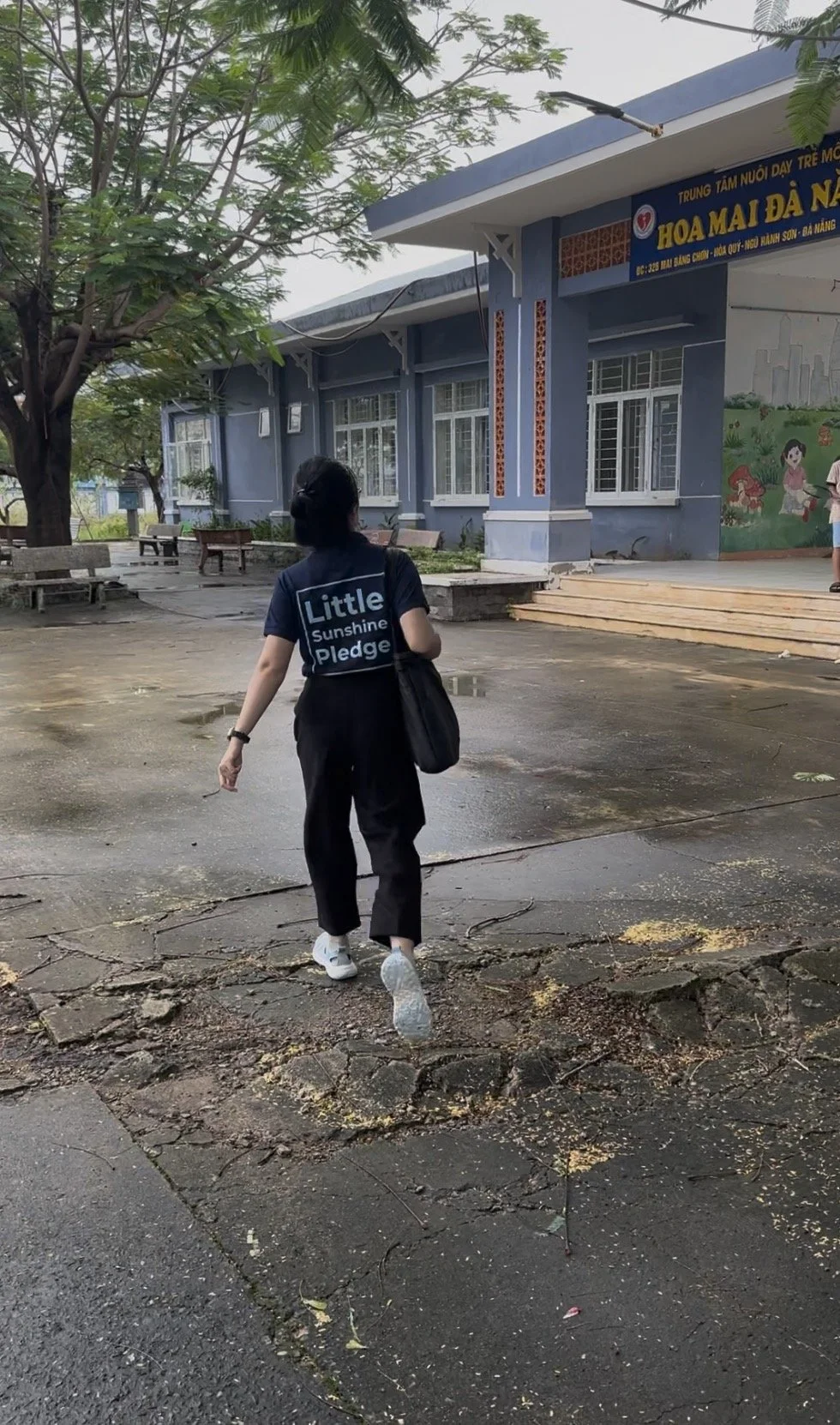
Not every facility is the same. Before we commit to a project, our team follows a rigorous multi-step verification process to identify where solar power will create the greatest impact — and to make sure every recipient is the right fit.
It starts with initial phone interviews with the facility, followed by an in-person assessment on the ground. During that visit, our team evaluates:
The facility itself — Is the building structurally sound? What is the condition of the existing electrical wiring? Is it safe for a solar installation?
The welfare of the children — Are the children being cared for in a loving, nurturing environment? This is non-negotiable for us.
Community feedback — What do people in the local community say about the facility and its role?
Current electricity situation — Is the facility connected to the grid? How reliable is their power? What are they paying for electricity each month?
Long-term viability — Does the facility have succession planning in place? Will the building be in use for years to come, so the solar system delivers lasting value?
This process exists for a reason. Every system we install represents the trust our donors have placed in us, and we take that responsibility seriously. Only facilities that meet our standards are selected.
Our projects span orphanages, kindergartens, and community centres across Vietnam and Cambodia. Each one is assessed individually to ensure that solar energy will make a real, lasting difference.
Step 3: Designing the Right System
Our standard installation is a 5kW solar system — a size that delivers meaningful impact for the facilities we serve. While the core system size is consistent, each installation is designed to maximise efficiency, with panel positioning, roof orientation, and local conditions all factored in.
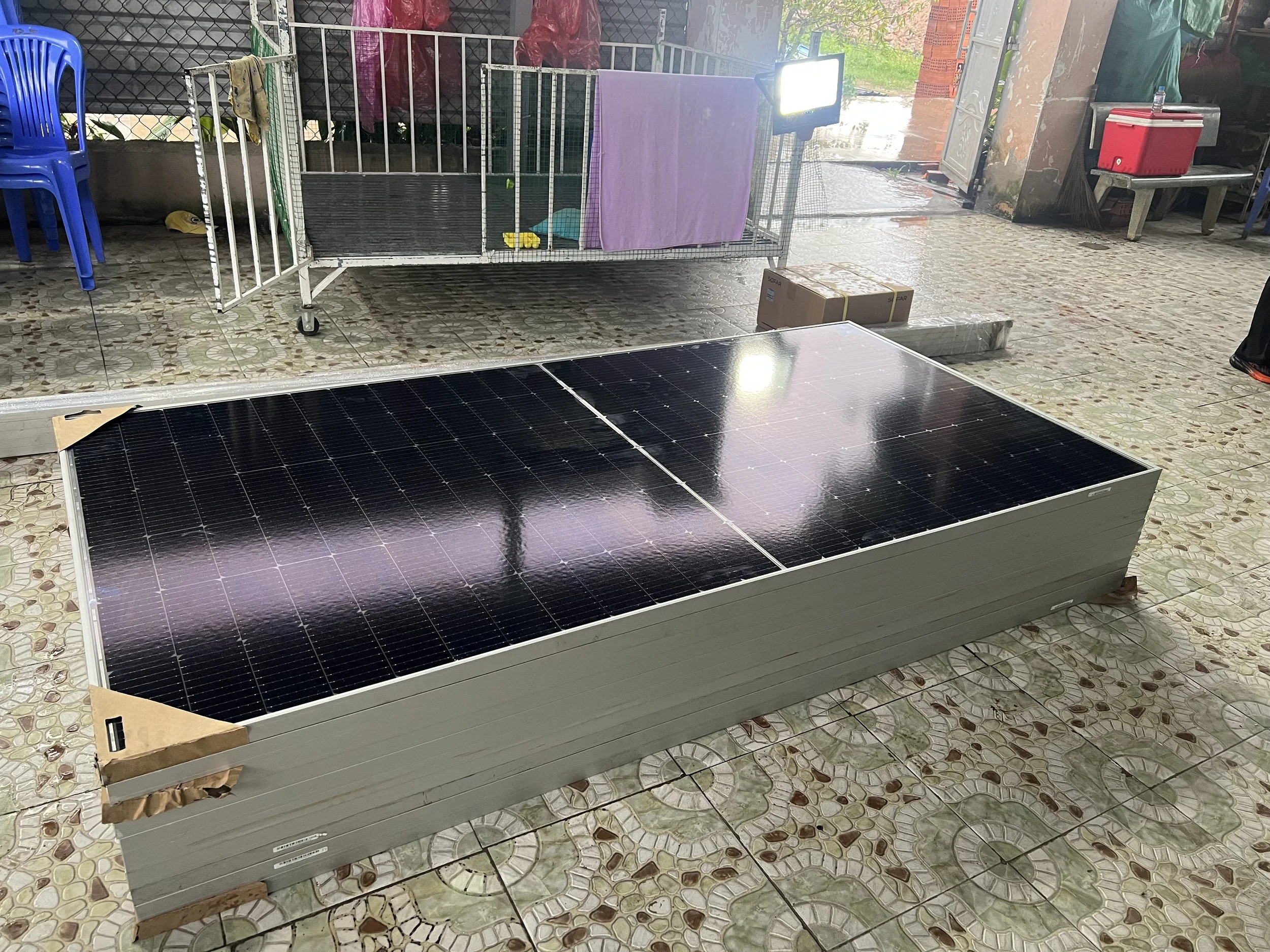
Our team works with trusted local installers to design each system for the specific site. Equipment sponsors like GoodWe provide inverter systems, helping us keep costs down while ensuring high-quality, reliable components.
For larger facilities with greater energy needs, we scale up. Our upcoming project for Sunrise Cambodia, for example, is a larger system designed to offset a greater share of their electricity usage.
Each system is designed to:
Cover as much of the facility’s daytime electricity needs as possible
Significantly reduce electricity bills, freeing up funds for food, education, and care
Last 25+ years with minimal maintenance
Withstand local weather conditions
Step 4: Installation Day
This is where the transformation begins. Our installation teams travel to the site — often in remote, regional areas — and spend two to three days completing the installation, sometimes longer when we have multiple projects planned in the same area.
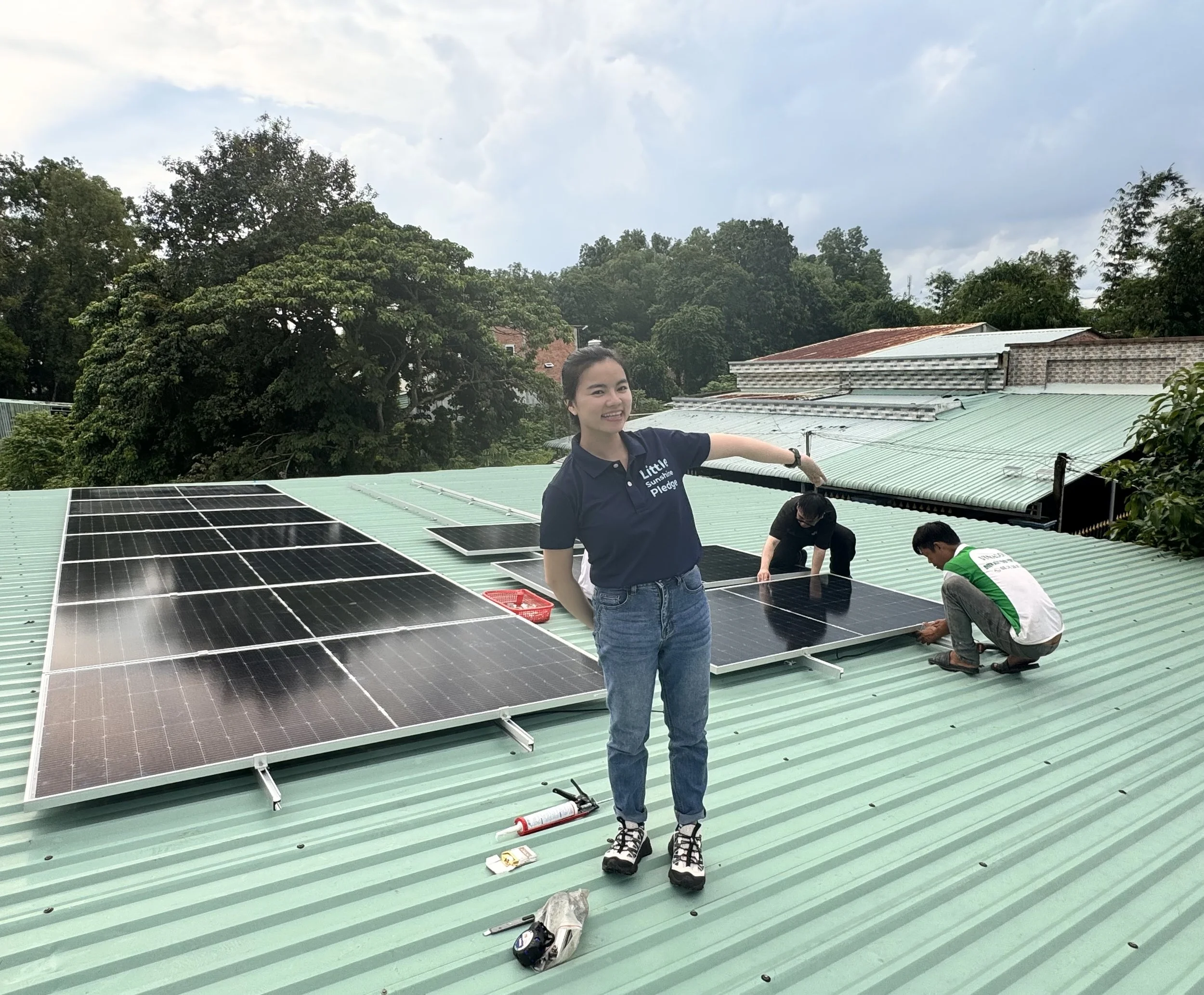
The process includes:
Mounting solar panels on the roof
Installing the inverter and electrical systems
Connecting the system to the facility’s existing wiring
Testing and commissioning to ensure everything works safely
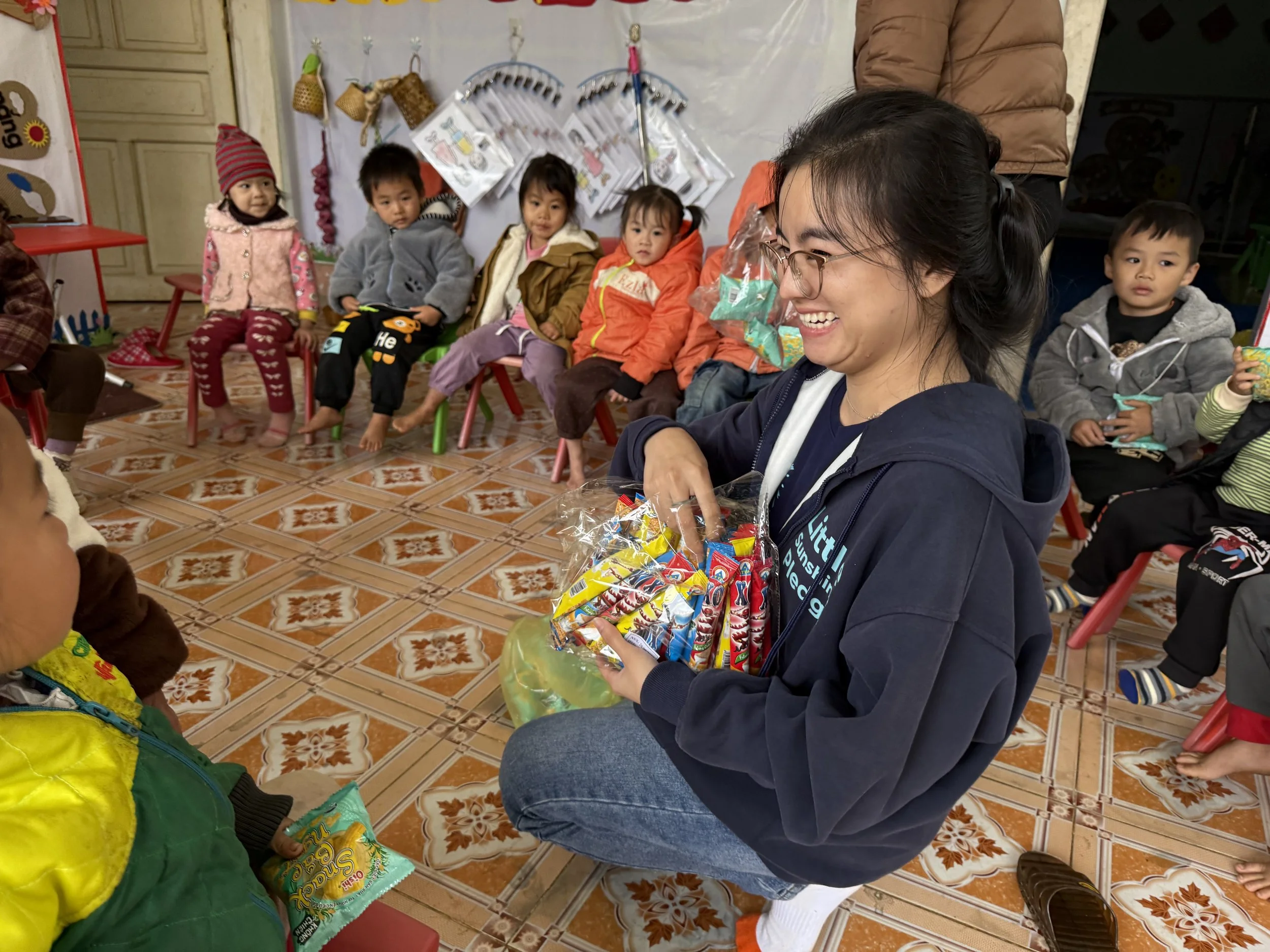
For the children, installation day is an event. They watch as panels go up on their roof, ask questions, and begin to understand that the sun above them is now powering their home.
But it is not just about the panels. We bring gift bags for the children and run informal education sessions about how solar energy works. With GoodWe’s support, we are also rolling out a localised version of their EcoSmart Kids program — teaching children about solar energy and environmental preservation in a way that is fun and accessible. We also work with each facility’s staff on how to maximise the impact of their new system, such as shifting the use of high-energy equipment to daytime hours when solar generation is at its peak.
You can see photos and stories from our completed installations on our Projects page.
Step 5: The Impact Begins
The moment the system is switched on is one we never take for granted. For many of the children and carers at these facilities, it represents the first time they have had reliable, clean electricity during the day — and significant savings that make nighttime power affordable too.
What does solar power actually provide?
Daytime energy independence — Fans, lights, refrigerators, and classroom equipment run on free solar power during the day, when the facility is busiest.
Power for fans and cooling — In Vietnam’s tropical climate, indoor temperatures without ventilation can be extreme. Solar-powered fans make classrooms and dormitories liveable.
Refrigeration — Food storage becomes possible, improving nutrition and reducing waste.
Safety and security — Well-lit facilities are safer for children and staff.
Financial freedom — The savings from daytime solar mean more of the facility’s budget can go towards food, school supplies, medical care, and other essentials — including paying for nighttime electricity.
At Tue Minh Orphanage, power bills have been reduced by over 65% since solar was installed. Those savings go directly back to the children — more food on the table, more kids able to attend school, and better conditions for everyone.
Step 6: Long-Term Impact
A solar system is not a one-off gift. It is an investment that keeps giving for decades.
A typical 5kW system in Vietnam generates around 18 kWh of clean energy per day — that is over 6,500 kWh per year of electricity that the facility no longer has to pay for. Over a 25-year lifespan, a single installation can:
Generate over 160,000 kWh of clean energy
Save the facility thousands of dollars in electricity costs over its lifetime
Support the education and daily lives of over 100 children — because while around 40 children may live at a facility at any given time, as they grow up and move on, new children arrive and benefit from the same system
We stay connected with every facility after installation, monitoring system performance and providing maintenance support when needed. Our goal is not just to install solar panels — it is to build lasting relationships with the communities we serve.
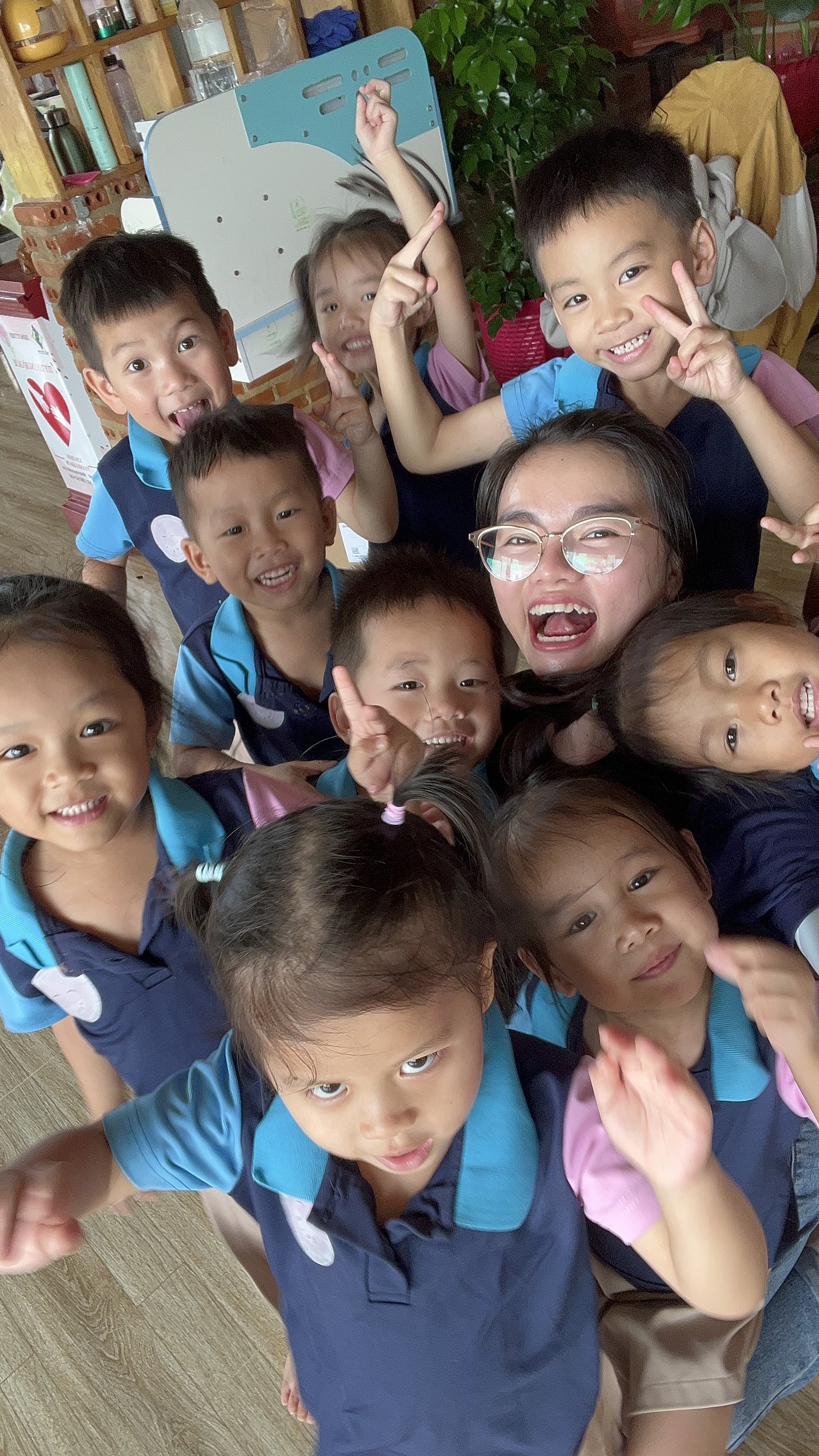
How You Can Help
Every solar system starts with a decision to give. Whether you choose to make a one-time donation or sponsor an entire system, you are directly contributing to a brighter future for children who need it most.
Donate now— Your tax-deductible donation goes directly to funding solar installations for orphanages and schools in Vietnam and Cambodia.
Sponsor a system — Fund a complete solar system for a facility in need and see the direct impact of your generosity.
Learn more about us — Find out who we are, how we work, and why solar energy is at the heart of everything we do.
Frequently Asked Questions
Is my donation tax-deductible?
Yes. Little Sunshine Pledge is an ACNC-registered charity with Deductible Gift Recipient (DGR) status. All donations over $2 are tax-deductible in Australia.
How does my donation get used?
Every dollar goes toward making solar installations a reality — from equipment and materials to transport, installation labour, and ongoing support. We are committed to transparency, and our Projects page shows exactly where each system has been installed.
Can I choose which project my donation supports?
If you have a preference, let us know when you donate. Otherwise, your contribution will be allocated to the project with the greatest need.
How do I know my donation made a difference?
We share project updates, installation photos, and impact stories through our blog and social media channels. Transparency and trust are at the core of everything we do.
Every light that comes on is a ripple of change. Your donation does not just power a building — it powers futures.